When a new school year rolls around, parents of girls on the autism spectrum often feel like they’re navigating a maze blindfolded. The questions pile up: What are the early school peer support programs for girls with autism worries? Will the classroom feel like a safe harbor or a stormy sea? This article is your compass, offering a clear map of the support landscape, practical tips, and a few light‑hearted moments to keep the journey enjoyable.
Understanding the Landscape
Before we dive into specific programs, it’s helpful to paint the big picture. Early school peer support programs are designed to create inclusive environments where girls with autism can thrive socially, academically, and emotionally. They’re often woven into the school’s broader inclusion strategy, but the nuances matter.
The Core Components
- Structured Social Interaction – Small group activities that give students a chance to practice communication skills. Peer Mentorship – Older or more experienced classmates act as role models and allies. Teacher‑Led Facilitation – Educators guide conversations, ensuring everyone feels heard. Individualized Support Plans – Tailored strategies that address each student’s strengths and challenges.
These elements work together like a well‑orchestrated symphony, each instrument adding harmony to the overall experience.
Common Challenges Faced by Girls with Autism
Girls on the autism spectrum often face a double bind: the subtle social cues that most children pick up easily and the tendency to mask their differences. Understanding these challenges helps us appreciate why early peer support matters so much.

Social Camouflage and Anxiety
Many girls develop sophisticated coping mechanisms, such as mimicking peers or avoiding eye https://writeablog.net/dunedaryzo/h1-b-autism-signs-in-children-who-have-difficulty-with-social-interactions-in contact, which can mask underlying anxiety. The result? Teachers may overlook their struggles, and the children themselves might feel isolated.
Academic Hurdles
While their cognitive abilities can be strong, sensory sensitivities or executive functioning difficulties can make classroom tasks daunting. Without support, the classroom can feel like a minefield of expectations.
The “Quiet Girl” Myth
Society often expects girls to be quiet and compliant, which can reinforce a sense of invisibility for those who need help. Breaking this Autism assessment tools myth is a key goal of early support programs.
Early School Peer Support Programs: What They Offer
Now that we know the terrain, let’s look at the actual programs that help girls navigate it.
Structured Peer‑Led Groups
These are small, consistent groups where students meet weekly. The focus is on building friendships through shared interests—think science projects, art, or coding clubs. The structure reduces the anxiety of unpredictable social interactions.
“Buddy” Systems
A senior student or a trained peer acts as a buddy. The buddy’s role is to:
- Introduce the new student to classmates. Model appropriate social behaviors. Offer a listening ear during stressful moments.
It’s like having a personal tour guide in a foreign city—only the city is the school day.
Social Skills Workshops
In addition to peer interaction, many programs incorporate workshops that teach:
- Non‑verbal cues (e.g., interpreting facial expressions). Conversation starters and turn‑taking. Conflict resolution techniques.
These workshops give girls the tools to navigate social waters confidently.
Teacher‑Facilitated Discussions
Teachers play a pivotal role by creating safe spaces for open dialogue. They might:
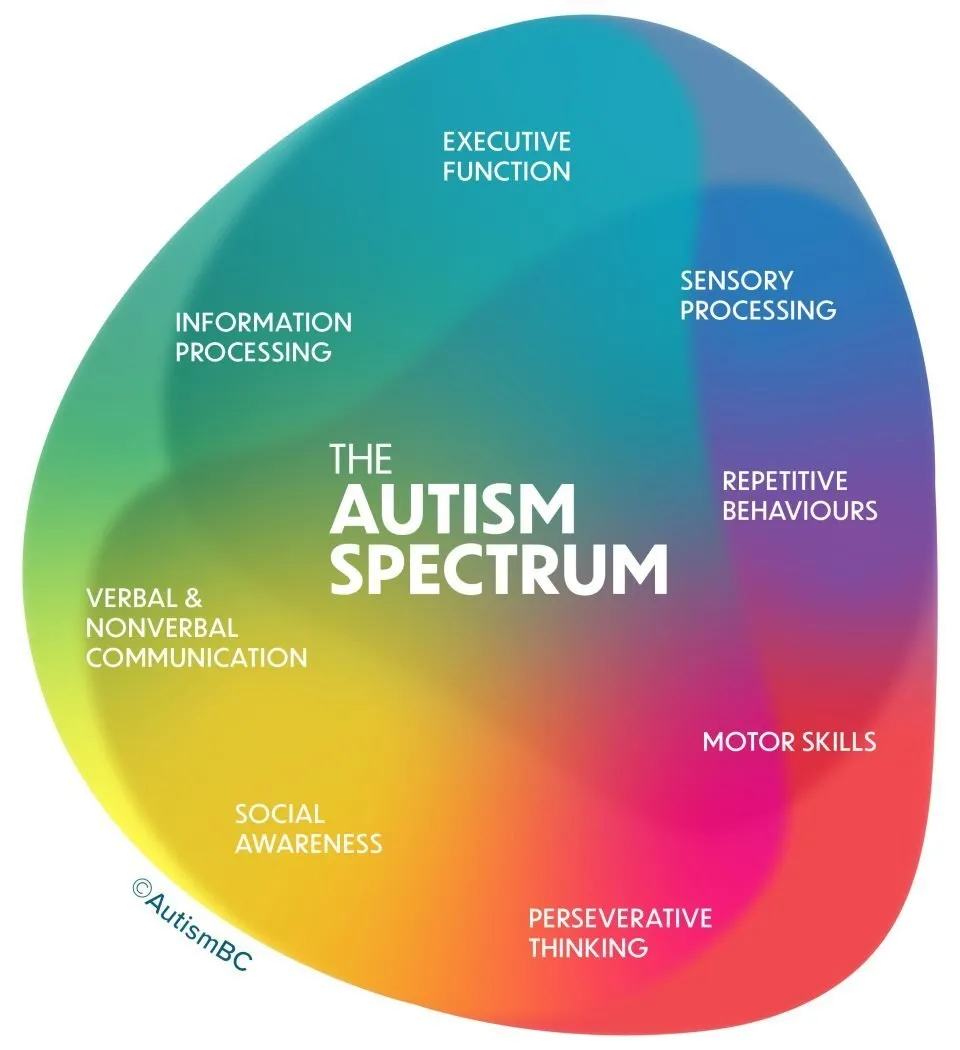
- Use think‑pair‑share activities. Encourage reflection journals. Provide positive feedback on social efforts.
Think of teachers as the wind that keeps the social boat steady.
How to Find the Right Program
Finding the right program is like choosing the right pair of shoes—comfort and fit are everything.
Start with a School Audit
Ask your child’s teachers or school counselors about existing peer support initiatives. Many schools have a Student Support Services department that can provide details.
Look for Evidence‑Based Models
Programs grounded in research—such as the Social Skills Training (SST) or Peer-Mediated Interventions (PMI)—tend to be more effective. Look for:
- Clear objectives Regular assessment Parent feedback mechanisms
Evaluate the Peer Network
- Diversity – Does the group include a mix of students? Engagement – Are the peers actively involved? Sensitivity – Are they trained to handle sensory or behavioral differences?
Consider Logistics
- Timing – Does the program fit into the school schedule? Location – Is it held in a familiar, accessible space? Cost – Some programs are free, others may require a fee.
Tips for Parents and Educators
Once you’ve identified a program, the next step is active participation.
Build a Partnership
- Communicate with teachers and program coordinators regularly. Share observations from home that might inform the support plan. Encourage consistency—the more regular the interaction, the stronger the outcomes.
Create a “Support Toolbox”
- Visual schedules to reduce uncertainty. Social scripts for common scenarios (e.g., joining a group). Calming techniques like deep breathing or a sensory bag.
Celebrate Small Wins
Every step forward is a victory. Acknowledging progress, no matter how minor, reinforces confidence. As Maya Angelou once said, “We may encounter many defeats but we must not be defeated.”
Ask the Right Questions
- How does my child feel after the peer session? What strategies seemed most effective? Are there gaps in the program that need addressing?
Success Stories and Real-World Impact
Anecdotes often illuminate the abstract. Consider Lily, a 9‑year‑old who joined a peer‑led reading club. Initially, she’d sit alone, eyes glued to the page. After three months, she was leading a discussion, asking questions, and even inviting a new student to join. Her confidence grew, and her teachers reported fewer behavioral incidents. Lily’s story is a testament to how early support can transform a quiet girl into a social butterfly.
Looking Ahead: Future Directions
The field of autism education is evolving rapidly. Emerging trends include:
- Digital Peer Support Platforms – Online communities that allow for virtual interaction. Data‑Driven Personalization – Using analytics to tailor support plans. Cross‑Disciplinary Collaboration – Integrating insights from psychology, neuroscience, and education.
These innovations promise to make early peer support even more accessible and effective.
Making Your Selection Count
Choosing the right early school peer support program is a pivotal decision that can shape your child’s educational journey. By understanding the landscape, recognizing the challenges, evaluating available options, and actively engaging with the process, you empower your daughter to flourish.
Remember, the goal isn’t just to “fit in” but to “shine in.” With the right support, the classroom can become a stage where her unique talents are celebrated, not hidden. Take that first step—contact your school’s support services, ask the questions, and watch your daughter’s confidence bloom.